Chittaprosad Bhattacharya: Art as Witness, Image as Resistance
Chittaprosad Bhattacharya (1915–1978) occupies a singular position in the history of modern Indian art as one of the most uncompromising visual chroniclers of political and social upheaval in the mid-twentieth century. Born in Naihati in Bengal, and largely self-taught, Chittaprosad rejected both academic art training and the revivalist aesthetic of the Bengal School, instead forging a language rooted in immediacy, accessibility, and political urgency.
-- Research & Compiled by Aakriti Art Gallery team
His artistic formation was inseparable from his early involvement in anti-colonial and leftist movements. During his student years in Chittagong in the 1930s, he became aligned with revolutionary and Communist networks, which would profoundly shape both his ideology and visual practice. Unlike many contemporaries who pursued art within institutional frameworks, Chittaprosad developed his practice through direct engagement with political struggle, producing illustrations, cartoons, and prints for party publications and grassroots campaigns. His works were conceived not as objects for elite consumption but as tools of communication—images meant to circulate widely among workers, peasants, and the urban poor.
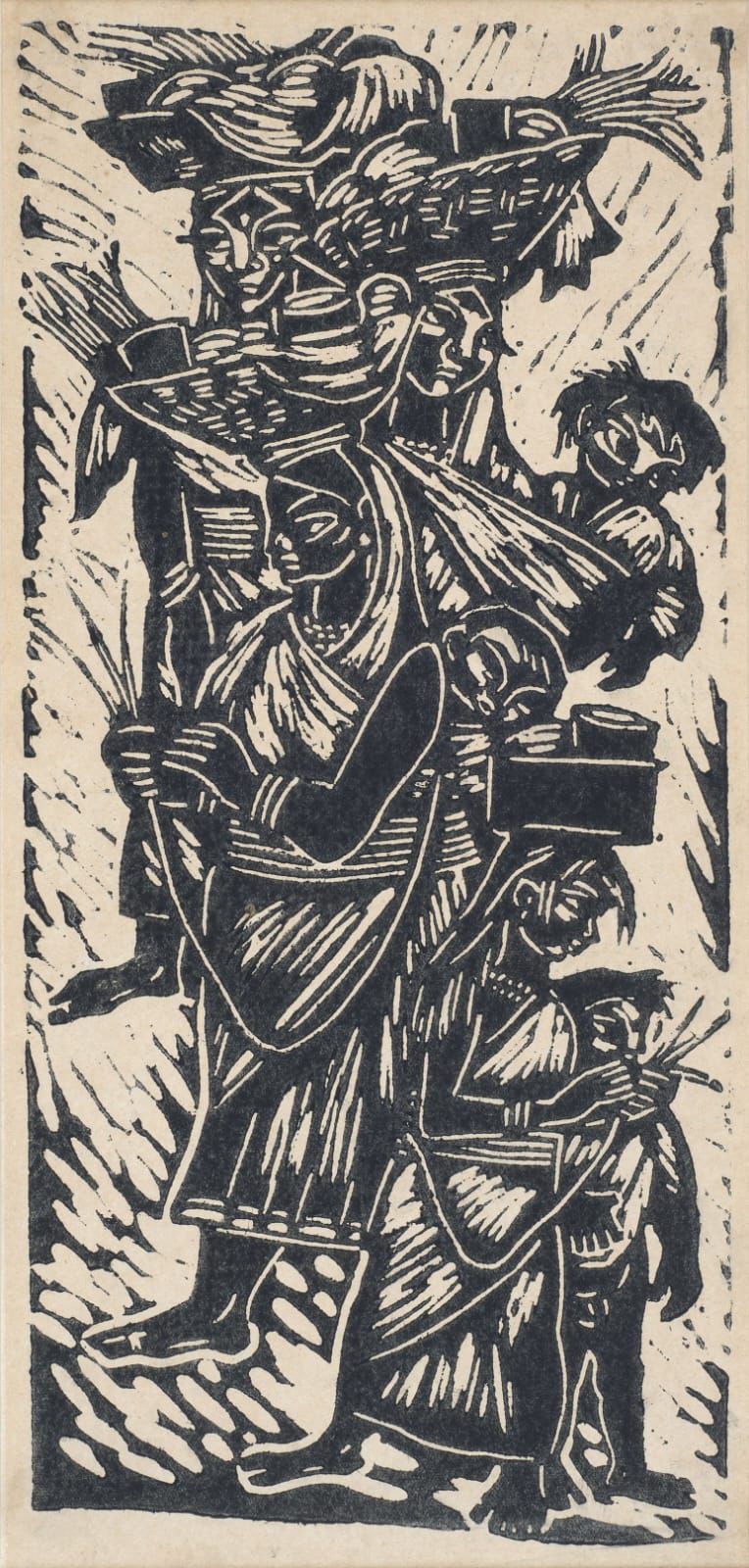
Central to Chittaprosad’s oeuvre is his commitment to printmaking, particularly linocuts and woodcuts, which allowed for rapid reproduction and dissemination. These stark black-and-white images, characterized by bold linearity and compressed forms, were deliberately stripped of ornamentation in order to maximize clarity and impact. His visual vocabulary—angular figures, expressive faces, and rhythmic patterns of light and dark—drew inspiration not only from European expressionist prints but also from indigenous folk traditions and popular visual culture. The economy of means in his work was both aesthetic and ideological, reflecting his desire to create a truly democratic art.
The defining moment of Chittaprosad’s career came during the Bengal Famine of 1943, when he travelled through the famine-stricken districts of Midnapore as a reporter for the Communist Party. The drawings he produced during this period—later compiled in the publication Hungry Bengal—constitute one of the most searing visual documents of human suffering in modern Indian history. Eschewing allegory or romanticization, these works present emaciated bodies, starving children, and scenes of systemic neglect with an unflinching directness. The British colonial administration, recognizing the incendiary potential of these images, suppressed and destroyed much of the publication, underscoring the political potency of his art. 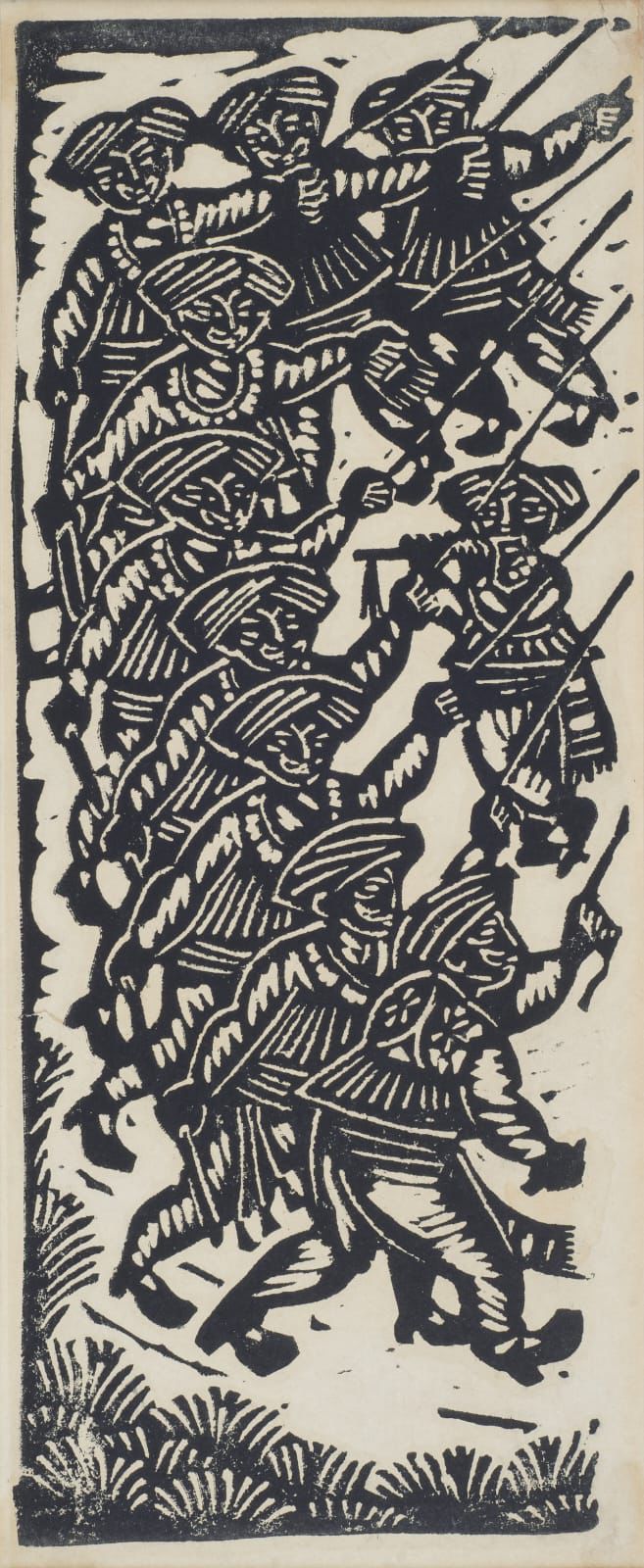
Chittaprosad’s practice can thus be understood as a form of visual reportage, where drawing becomes an instrument of testimony. His images do not merely depict events; they intervene in them, mobilizing empathy and outrage. As he himself articulated, he was compelled “to turn [his] brush into as sharp a weapon as possible,” foregrounding the ethical dimension of artistic practice. In this respect, his work aligns with a broader global tradition of politically engaged art, yet remains distinctly rooted in the socio-economic realities of colonial and postcolonial India.
Following his move to Bombay in the late 1940s, Chittaprosad’s work diversified to include landscapes, portraits, and book illustrations, though his commitment to social themes persisted. His gradual disassociation from the Communist Party after 1948 did not mark a retreat from political engagement, but rather a reorientation towards broader humanist concerns, including peace movements and the welfare of marginalized communities.
Despite his prolific output and historical significance, Chittaprosad’s position within mainstream narratives of Indian modernism has remained marginal. This marginalization can be attributed in part to the ephemeral nature of his chosen media—cheap prints and pamphlets that were not preserved within institutional collections—as well as to the post-independence art establishment’s preference for formalist and nationalist aesthetics over overtly political art. Yet, in recent decades, there has been a renewed recognition of his work, both for its artistic innovation and its ethical urgency.
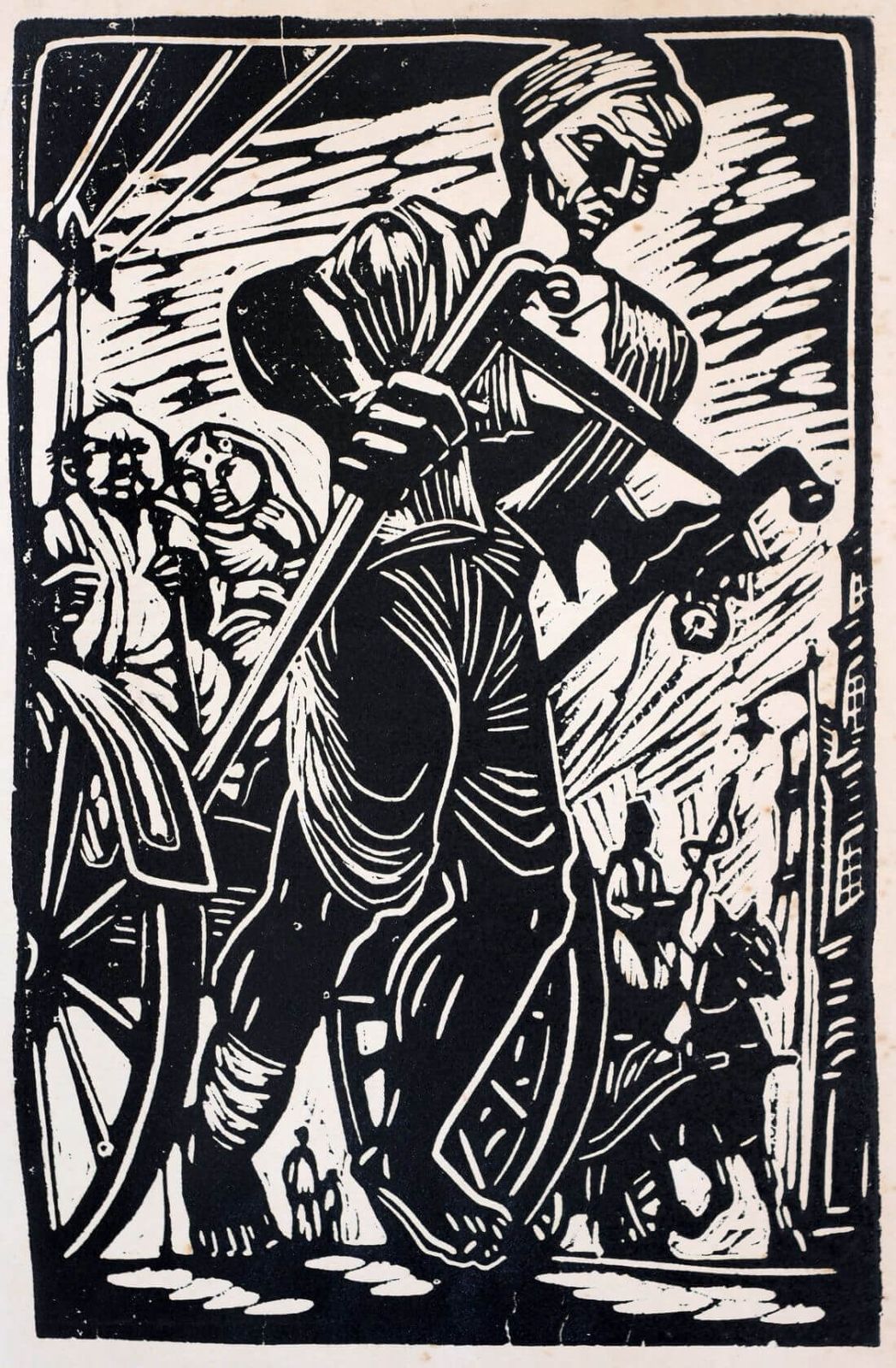
The images reproduced here—marked by their dynamic compositions, compressed figures, and emphatic contrasts—exemplify Chittaprosad’s mastery of the woodcut medium. Whether depicting groups of laborers, scenes of struggle, or solitary figures engaged in everyday toil, these works reveal an acute sensitivity to gesture and expression. The stylization of form is never merely decorative; it serves to intensify the emotional and political resonance of the image.
Chittaprosad Bhattacharya’s legacy lies not only in his contribution to Indian printmaking but also in his insistence that art must remain accountable to lived reality. In an era when the boundaries between art, politics, and media were being actively negotiated, he articulated a model of practice in which aesthetic form and ethical commitment are inseparable. His work continues to challenge viewers to reconsider the role of the artist—not as a detached observer, but as an engaged witness to history.
Most read articles
Shaping Bengal : A Chronicle of Modern Sculpture
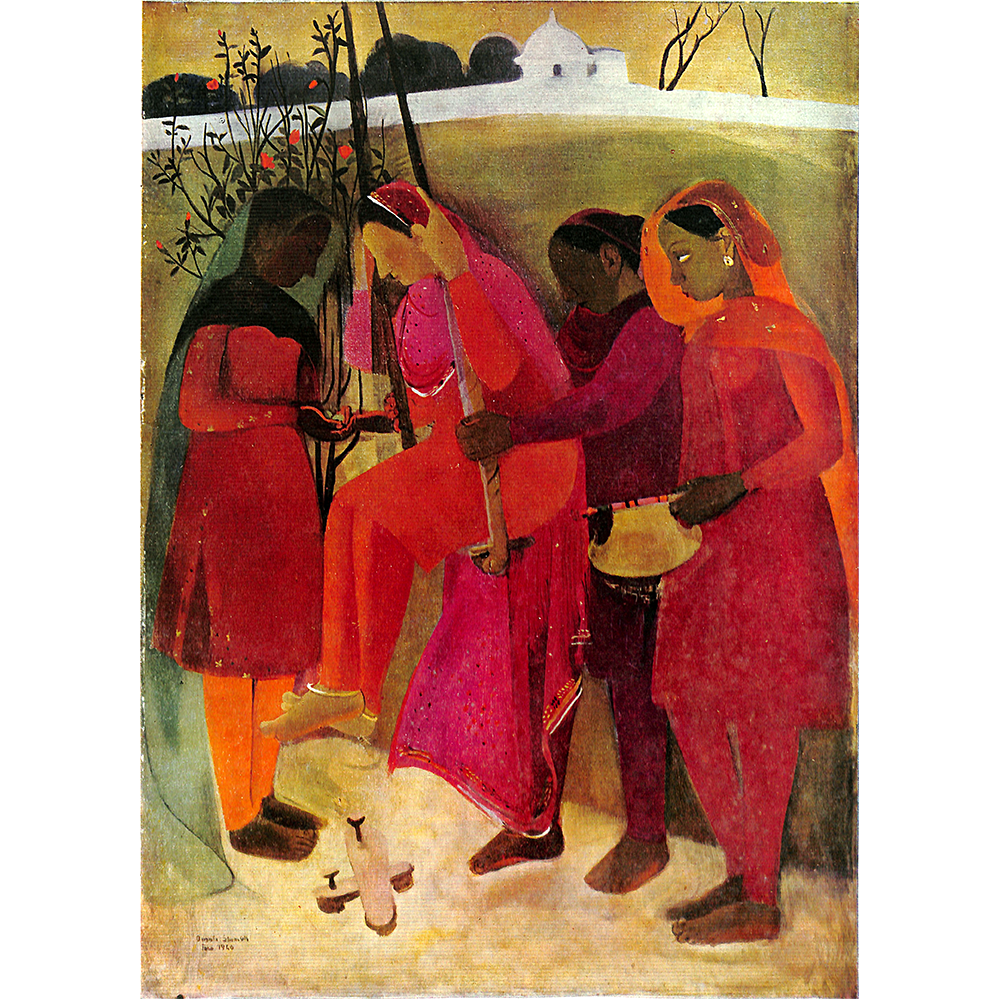
“Europe Belongs to Picasso… India Belongs Only to Me” || Why Amrita Sher-Gil Chose India as Her Artistic Destiny
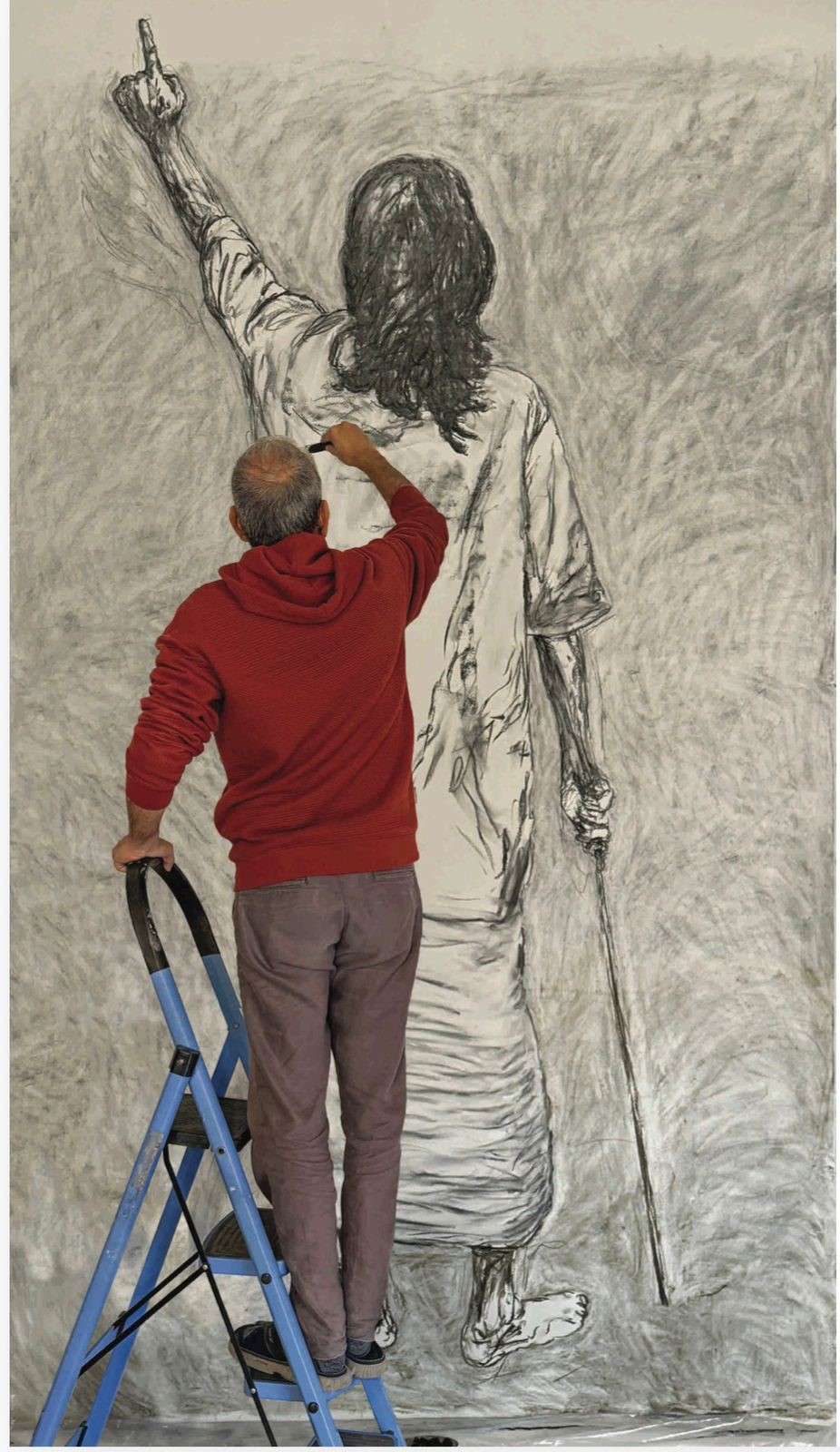
A Star Amongst Too Many: Chandra Bhattacharjee at Birla Academy of Art & Culture
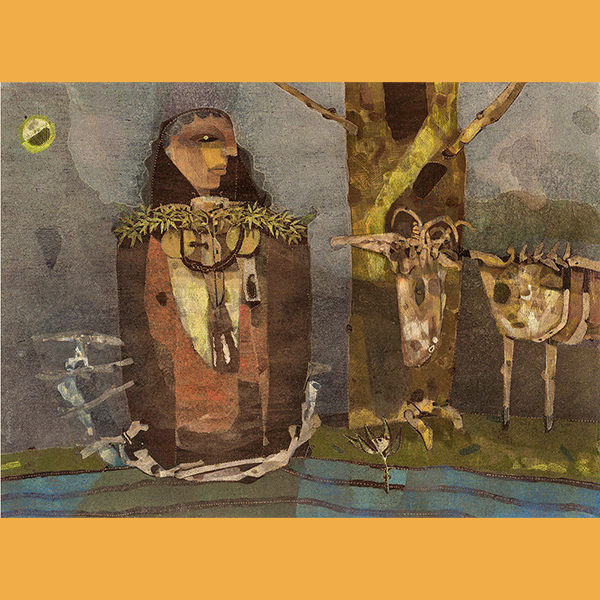
The Indian Art Market Comes of Age
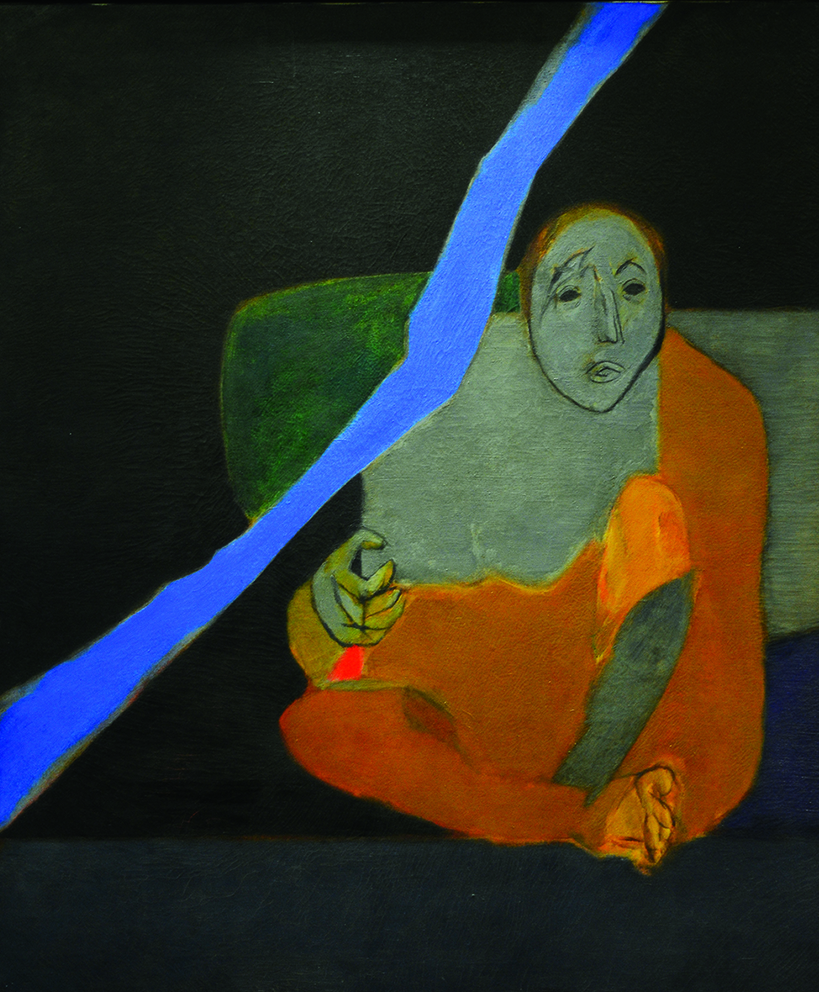
The Resurgence of the Indian Art Market
Comments
Join the Discussion
Please login to post comments.
Login